Skip to content
OneAggrgtr

In developmentProvider connections are not live yet

One integration layerbetween where you selland how you fulfill.

OneAggrgtr is a commerce integration platform in development, built to bring orders, catalog, and fulfillment activity from every sales channel into one operating layer. Its core has been exercised end to end in simulation. No live POS, marketplace, or delivery-provider connection exists today.

Live connections
None
Public API
Not available
Sandbox
Not available
What has been demonstrated
Simulated end-to-end flows
OneAggrgtr conceptual integration topologyA conceptual diagram. Sales channels — marketplaces, first-party ordering, and future channels — send orders into OneAggrgtr. Inside, orders are verified, normalized into a canonical model, and routed. Out the other side go a POS partner, delivery providers, and reconciliation of unconfirmed outcomes. Catalog and stock updates flow the opposite way. It illustrates the intended architecture, not live connections.MarketplacesFirst-partyMore channelsPOS partnerDeliveryReconciliationOneAggrgtr01Ingest and verify02Canonical model03Route and reconcileIdempotent · retry-safe · tenant-isolated
  • Order
  • Catalog and stock update
  • Unconfirmed outcome, sent to reconciliation

Conceptual topology of the intended architecture. Nodes are categories, not named partners; no live connection is shown or implied.

The problem

Every new channel multiplies the integration work.

Connect each sales channel to each operational system directly and the number of integrations to build, test, and keep working is channels times systems. Route them through one shared layer and it is channels plus systems.

Shared layerSales channelsSystems

16

direct integrations to build and maintain

8

connections through a shared layer

Sales channels
4
Systems
4

4 channels × 4 systems = 16 direct connections, or 4 + 4 = 8 through a shared layer. Illustrative arithmetic only.

How it works

Translate once, at the edge. Keep everything inside canonical.

OneAggrgtr is a modular platform with a dedicated background worker. Provider-specific shapes never cross into the core.

  1. 01

    Connect

    A new channel or system plugs into an explicit boundary, not custom one-off code: a provider adapter for marketplaces and delivery, OneAggrgtr's own integration API for POS partners.

  2. 02

    Normalize once

    Every system's data becomes one shared record instead of many conflicting copies. Provider payloads, IDs, and statuses are translated at the boundary into this canonical model, and provider IDs stay external references, never identity.

  3. 03

    Route

    A pickup, a delivery, and a payment can each be at a different stage at once. Orders move through independent lifecycles for order, fulfillment, payment, and delivery, instead of one overloaded status that fits no industry.

  4. 04

    Reconcile

    When a provider call cannot confirm what happened, nothing is guessed. External calls do not share a transaction with the database, so an unconfirmed outcome is recorded as unknown and resolved deliberately.

From order to reconciliation

One canonical order, whatever channel it came from.

An order is verified and stored once, then routed onward as separate steps that can each be retried safely and each be reconciled.

  1. Sales channels

    Marketplace or first-party order arrives

  2. Ingestion

    Verified, deduplicated, persisted

  3. Canonical order

    One model, whatever the origin

  4. POS and fulfillment

    Routed to the systems that fulfill it

  5. Reconciliation

    Divergence detected and resolved

Conceptual flow of the platform's design, exercised end to end against simulated providers. It does not depict a live provider connection.

Built for multiple industries

One model for a produce stand and a kitchen pass.

Business type is an attribute, not an architectural boundary. Weight-priced items, modifiers, variants, and age-restricted goods all sit in the same catalog and order model.

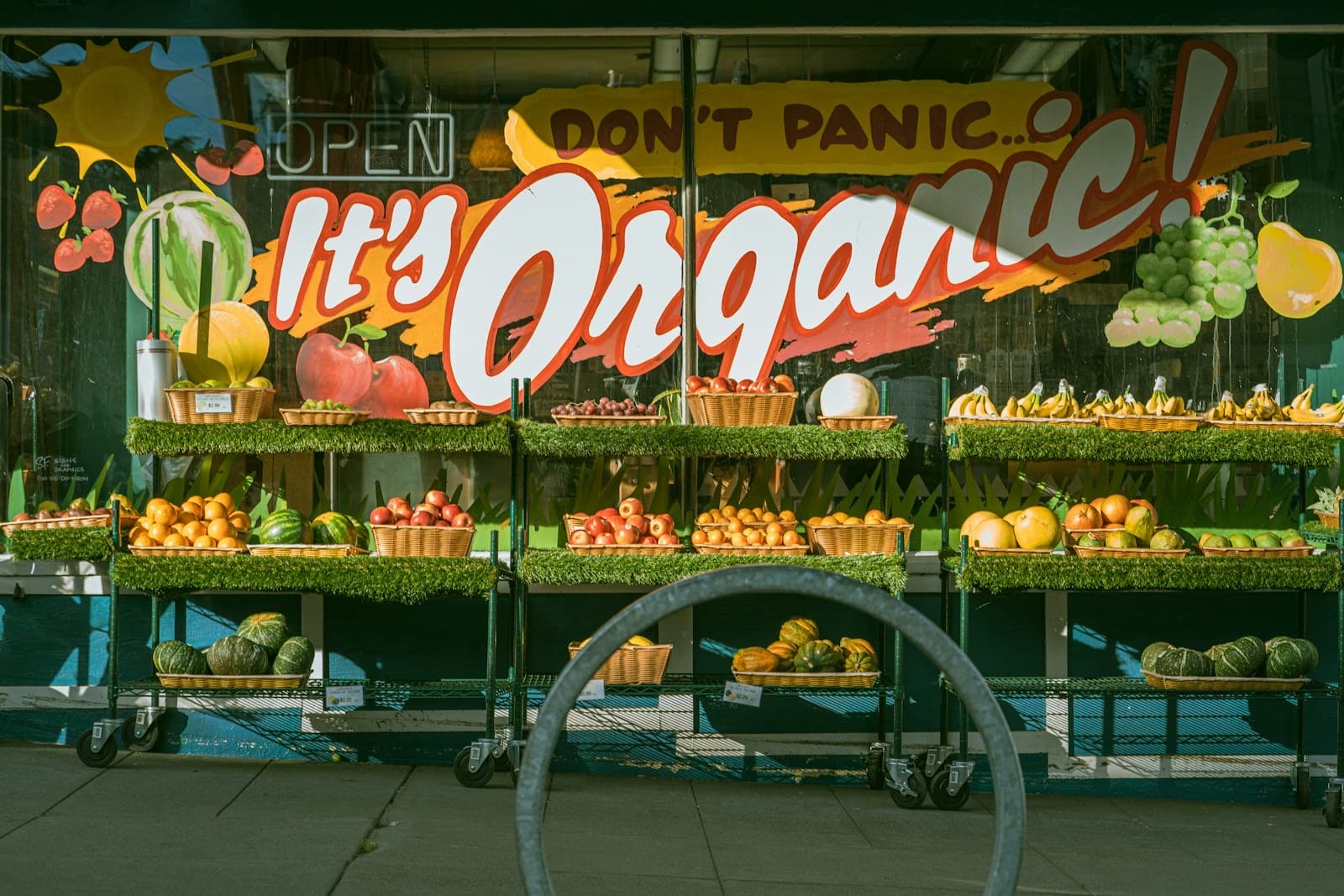
A grocery storefront window with baskets of fruit and squash on tiered display shelves.

Grocery

Items sold by weight, substituted, and part-fulfilled.

  • Weight and unit-of-measure pricing is part of the price model, not a workaround.
  • An order line can be substituted or partly fulfilled without failing the whole order.
  • Inventory reservations are admitted atomically, so concurrent orders cannot both claim the last unit.

Two white clothing racks holding neutral and rust-colored garments beside a potted plant.

Clothing and specialty retail

Products with variants, mapped per channel.

  • Size, color, and other variants sit under one product, with their own pricing and inventory.
  • Each variant carries its own external references, one per channel.
  • Provider identifiers are references to the canonical variant, never its identity.
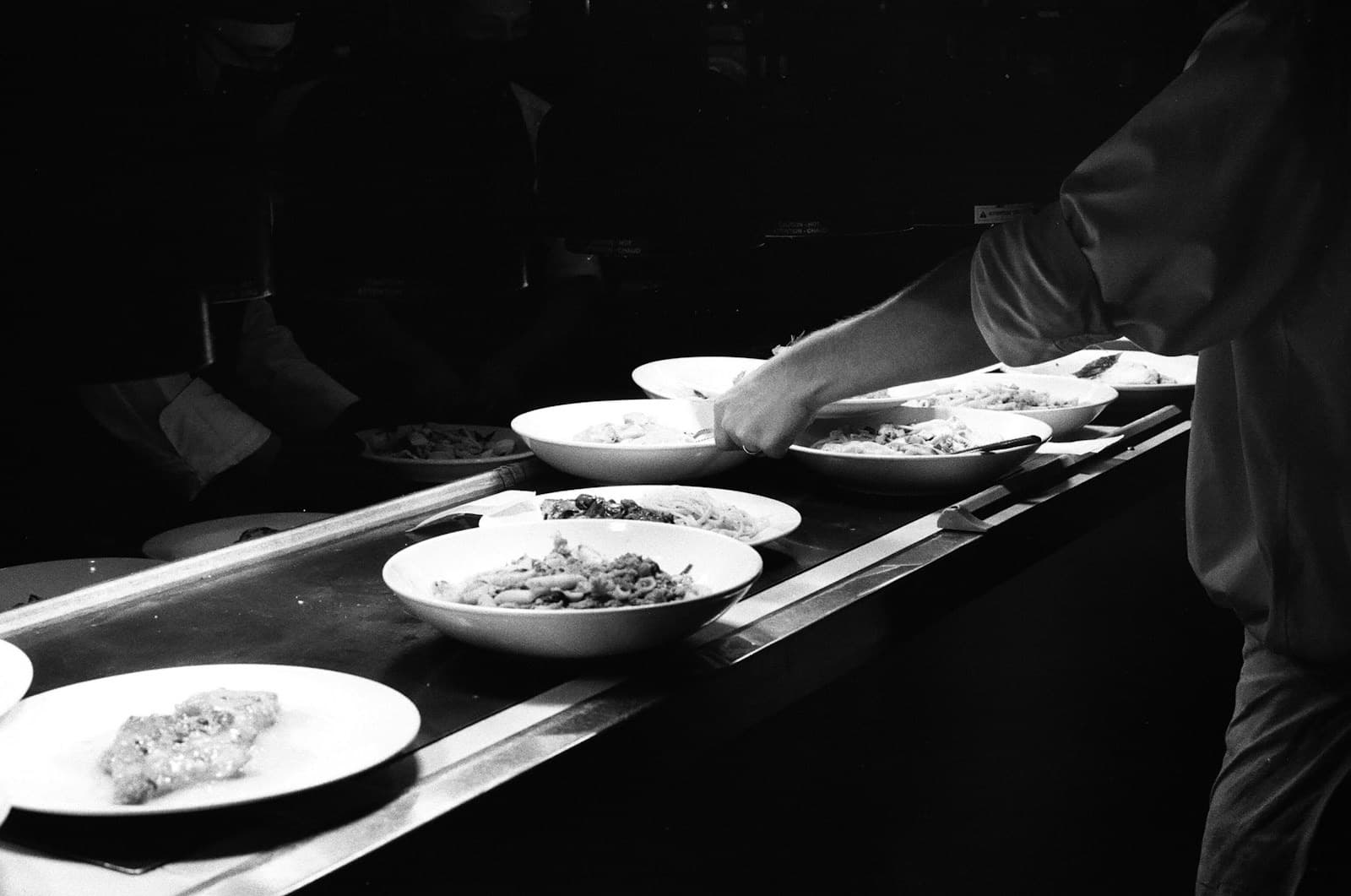
A cook's arm reaching over a row of plated pasta dishes on a dark kitchen pass, in black and white.

Restaurants

Modifiers as a capability of the catalog, not its foundation.

  • Modifier groups and modifiers are part of the catalog model, alongside variants.
  • A cancellation that arrives after an order was sent on is recorded for reconciliation instead of being silently dropped.
  • One model serves the restaurant next to a retail shelf.

Also modeled: convenience, regulated retail, hybrid retail and food, professional services.

All industries

Where things stand

Plain about what is built and what is not.

The architecture is built and tested end to end in simulation. Connecting to real marketplaces, delivery providers, and POS partners depends on access we are still arranging.

Built and exercised in simulation
  • The canonical domain model
  • Order and fulfillment lifecycles
  • Idempotent event processing with retries and a transactional outbox
  • Reconciliation of unknown outcomes
  • Tenant isolation and role-based access
  • Encrypted credential storage
Needs access we do not have yet
  • Live marketplace connections
  • Live delivery-provider connections
  • A POS partner integration contract
  • A partner test environment
Planned, not started
  • A Developer Portal and Sandbox
  • A first-party ordering surface
  • A published integration API

"Exercised in simulation" means run end to end against simulated providers and injected failures in our own test environments. It is not evidence of production operation with any live provider.

Built for developers

Integrate against one surface, not one per provider.

POS partners are designed to connect to OneAggrgtr's own integration API, while OneAggrgtr owns the connections onward to marketplaces and delivery providers. A Developer Portal and Sandbox are planned; nothing is published yet.

Talk to us about integration or partnership.

Merchants, POS teams, and marketplace or delivery providers: we are glad to compare notes on the integration model and what connecting would take.